Orphan Train
In the early 1800s, the number of homeless and orphaned children grew very large. In New York City, it was estimated that there were 10,000 to 30,000 of these children, many of whom were orphaned when their parents died in yellow fever, typhoid or flue epidemics, or they were simply abandoned.
A minister named Charles Brace attempted to assist these children, first by taking them in, giving them shelter and education. However, the number of children grew overwhelming and another solution was sought.
Charitable institutions, including the Brace’s Children’s Aid Society, were established in New York City to place children in foster homes.
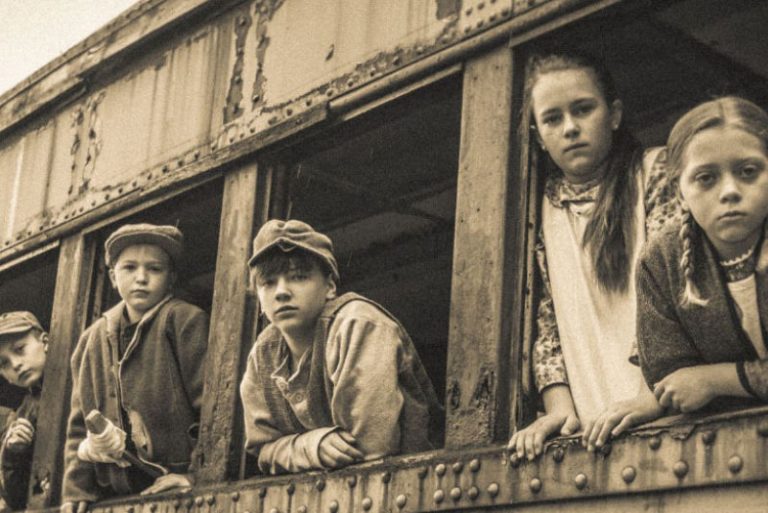
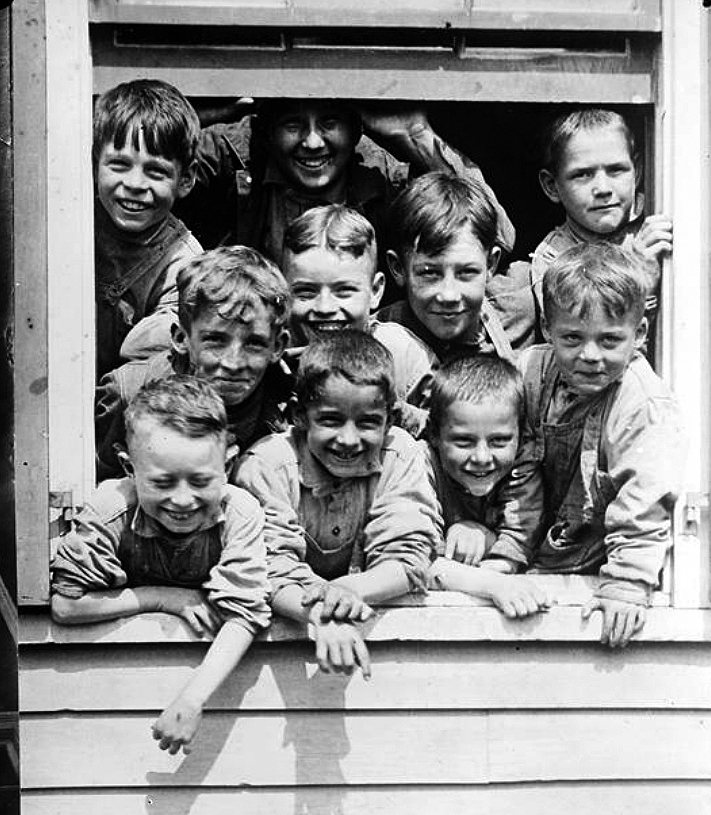
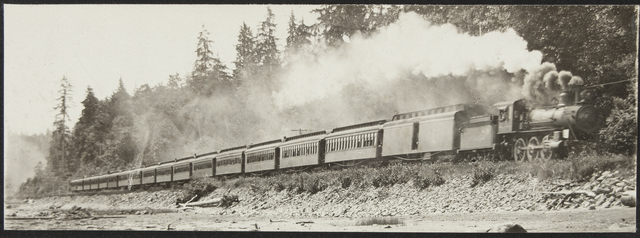
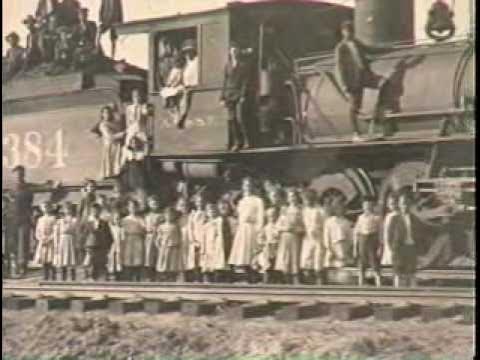
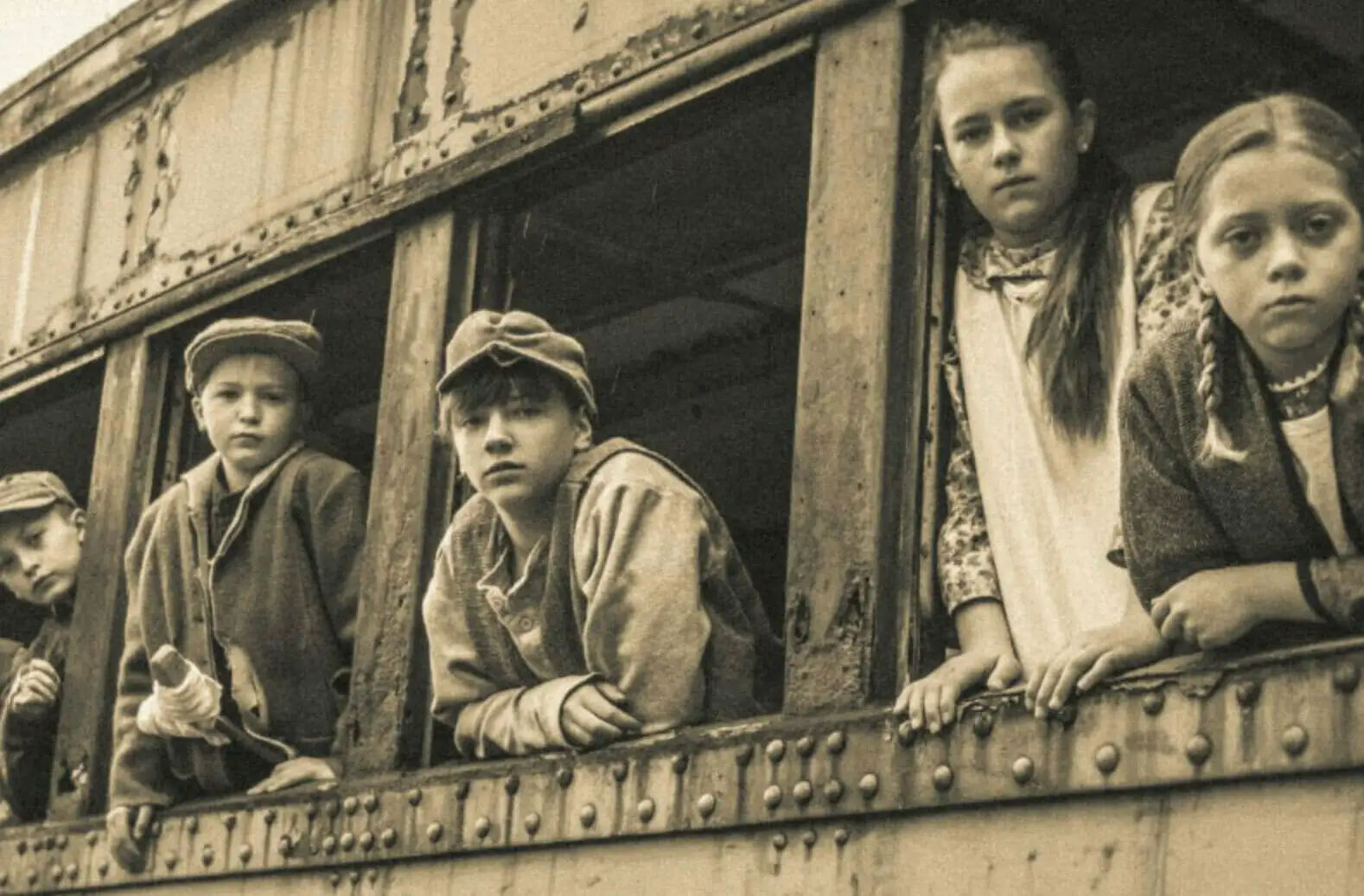
This placement effort expanded to the so-called Orphan Trains. Instead of children being place individually in homes, large numbers of children were loaded on passenger cars to be transported. The name “Orphan Train” is misleading. Many of the children were not orphans, but their parents were unable, or unwilling to care for them.
To learn more, the Railroad Museum’s Orphan Train exhibit, films, presentations opened April 15 and will run the course of the year. Special thanks to the Orphan Train Museum in Concordia, Kansas, and the families who contributed memorabilia, documents and photographs. Especially Michael Frances for his support in making this exhibit possible. It truly is a remarkable time in America’s history.